Springfield's near-downtown neighborhoods, the streets within walking distance of the Lincoln Home National Historic Site and the older residential blocks radiating out from the capitol area, carry a different building stock than the newer subdivisions on the city's edges. Homes here were often built in the late 1800s and early 1900s, and the small commercial buildings mixed among them have their own decades of layered renovation. When a renovation, gut rehab, or small redevelopment project happens in this part of Springfield, the debris removal side of the job looks different than it does on a typical suburban lot. This guide walks through what tends to be different, what to expect for container placement, and how SPI Dumpster Rental Springfield approaches these tighter, older-core jobs.
What Makes Older Near-Downtown Building Stock Different to Renovate
A house or storefront built in Springfield's early growth decades was constructed with materials and methods that are now uncommon on active job sites. Plaster-and-lath walls and ceilings, full-dimension (true 2x4, not modern nominal) framing lumber, old-growth solid wood flooring, horsehair plaster, and in some structures original masonry or brick work are all common finds once demo starts. These materials generally weigh more per square foot than modern drywall and engineered flooring, and they come apart differently, which matters both for labor planning and for estimating how much debris volume (and weight) a project will actually generate.
It's also worth checking, before exterior work begins on any older property in this area, whether the building falls under any historic-preservation review with the City of Springfield. Not every older home is subject to this kind of review, and requirements vary by property, so this isn't something we can generalize about here — it's simply worth a call to the city's planning or preservation office early in project planning if the scope includes exterior changes like siding, windows, porches, or additions. That's a permitting and design question separate from dumpster logistics, but it can affect project timelines, so it's smart to confirm before demo day rather than after.
Placement Challenges on Denser, Older Urban Lots
The biggest practical difference between a near-downtown renovation and a project in a newer subdivision is usually where the dumpster can actually go. Lots in these older neighborhoods tend to be narrower, driveways are sometimes short, absent, or shared, and many blocks were platted long before anyone was thinking about roll-off truck access. A few things we see regularly on these jobs:
- No driveway, or a driveway too narrow for a container: some homes have on-street parking only, which means placement may need to happen at the curb, and depending on the block, that can require checking on a street parking or right-of-way permit with the city.
- Alley access: a number of older blocks have rear alleys, which can be a good placement option when the alley is wide enough and not obstructed, but alley surfaces and clearance vary a lot block to block.
- Tight turning radius for delivery trucks: narrow streets, parked cars on both sides, mature street trees, and utility poles can all limit exactly where and how a roll-off truck can position to drop or pick up a container.
- Neighboring property proximity: smaller lot setbacks mean less margin for error on container placement relative to fences, gas meters, retaining walls, and neighboring driveways.
None of these are unusual or unsolvable, but they're exactly the kind of details that are worth thinking through before a container shows up rather than during delivery.
Typical Debris From These Renovation Projects
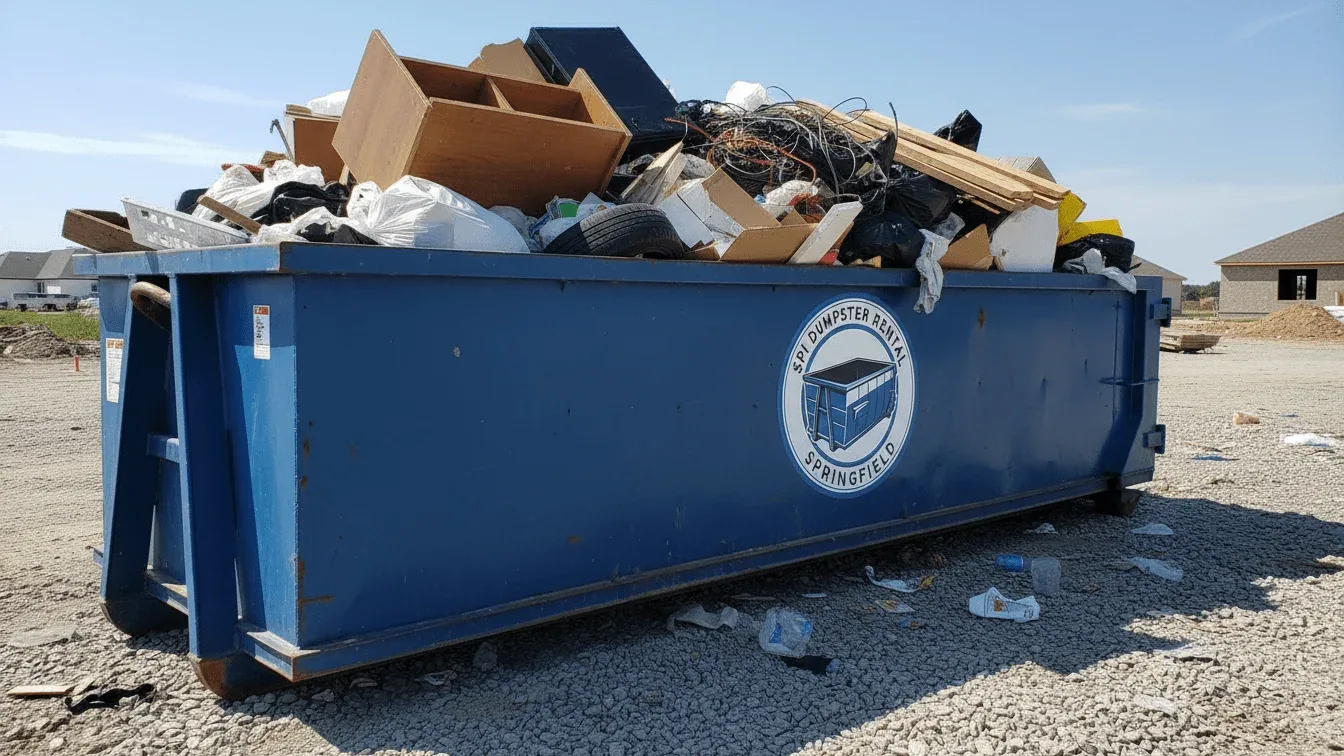
The mix of debris coming out of an older near-downtown renovation is often different from a newer-home remodel. Common material types include:
- Plaster and lath removed from walls and ceilings during a gut renovation
- Old solid-wood flooring, subflooring, and trim being replaced or refinished
- Brick, mortar, and masonry debris from foundation, chimney, or exterior repair work
- Old plumbing, cast iron pipe, and outdated electrical materials pulled during system upgrades
- General construction debris from framing, drywall, and finish work as the space is rebuilt
Because plaster, brick, and masonry debris is heavy, weight limits matter more on these jobs than volume alone. It's common for a container that looks far from full to still be near its weight allowance once plaster or brick debris is loaded. Talking through the expected material mix when booking helps get the right size and weight allowance matched to the job — whether that's a straightforward residential dumpster rental for a kitchen or bath gut, or a heavier-duty container for a demolition debris removal project involving interior or partial structure teardown.
How SPI Handles Tighter Urban Jobs
For projects in Springfield's older near-downtown blocks, we generally recommend a driver or dispatcher take a quick look at the site — either a phone conversation about the lot, a photo of the driveway or alley, or a drive-by assessment — before the delivery date. That lets us confirm the best drop location, flag any access issue in advance (a low tree limb, a narrow alley, a shared driveway), and avoid a wasted trip or a delivery that has to be worked out on the spot.
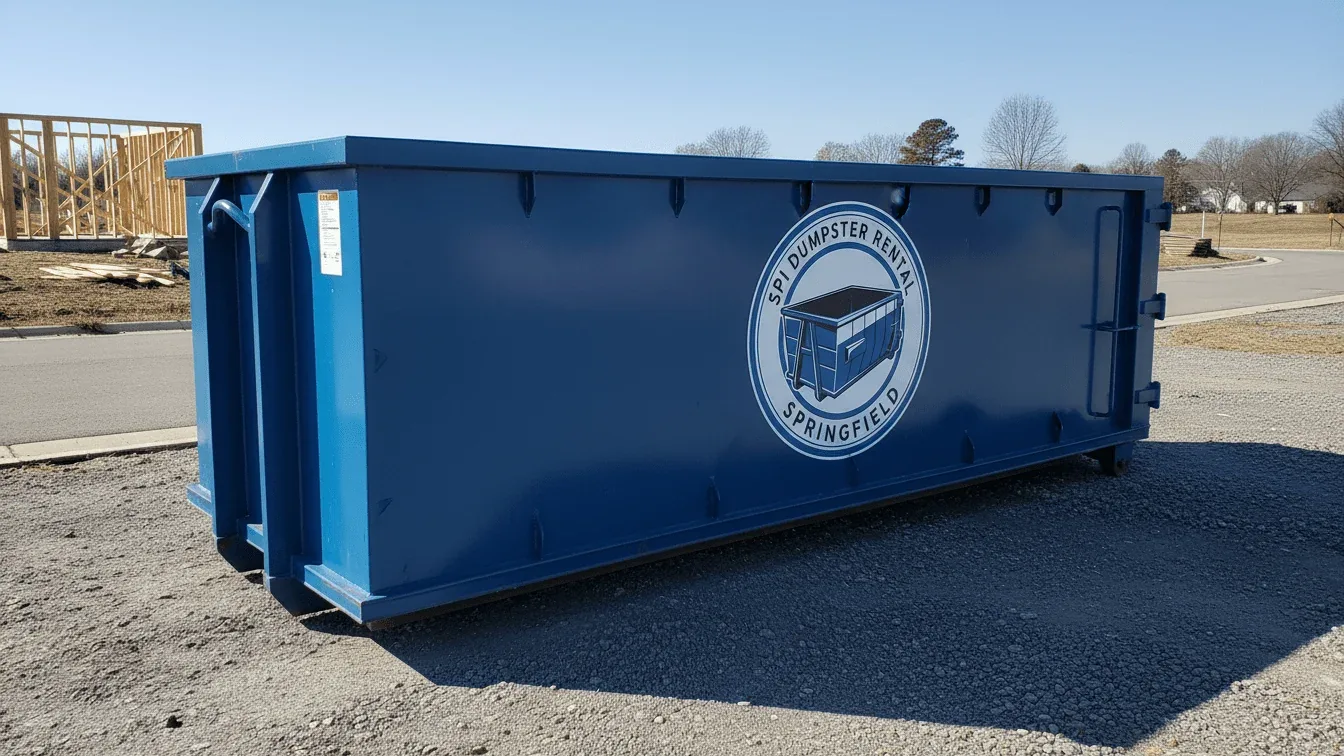
Size selection matters more on tight lots too. A 20 or 30 yard container is easy to justify on a bigger job, but on a narrow urban lot, a 10 or 15 yard dumpster is often the more practical choice — it fits in a smaller footprint, is easier to place on a short driveway or at the curb without blocking sidewalk access, and still handles a typical single-room gut renovation or a small commercial buildout. For projects with more debris than a single container's weight allowance, swapping out a smaller container partway through the job is often more workable on a tight lot than trying to fit one oversized dumpster into a space that wasn't built for it. Our full dumpster size guide breaks down what fits in each container size, and it's a useful starting point before booking.
Small mixed-use and commercial redevelopment projects near downtown come with the same placement considerations, often with the added factor of limited off-street parking for tenants or neighboring businesses. For these jobs, our commercial dumpster rental and construction dumpster rental services are built around the same site-first approach — confirming access and placement before the container rolls, rather than after.
Planning Ahead for a Near-Downtown Renovation
Renovating an older property near downtown Springfield is rewarding work, but the debris removal side benefits from a little extra planning compared to a standard suburban job. Knowing roughly what materials will come out of the structure, thinking through where a container can realistically sit on the lot, and checking in with the city on any preservation-review questions for exterior work are all worth doing before the dumpster is scheduled. If you're planning a renovation or small redevelopment project in one of Springfield's historic near-downtown neighborhoods, give SPI Dumpster Rental Springfield a call at (217) 993-8727 and we'll help you figure out the right container size and placement plan for your specific lot.