Search "dumpster rental cost Springfield IL" and you'll find a lot of sites with tidy little price tables: $299 for a 10 yard, $399 for a 20 yard, and so on. Ignore them. Those numbers are usually national averages pulled from a database, not what a hauler actually charges to deliver a container to your driveway in Sangamon County this week. A flat-rate quote is built from a handful of real variables, and once you understand them, you can get a genuinely accurate read on your own project before you even pick up the phone.
We price every job at SPI Dumpster Rental Springfield with a flat-rate model: delivery, the rental period, pickup, disposal, and a stated tonnage allowance are all rolled into one number quoted on the call. No surprise line items for "fuel surcharge" or "environmental fee" tacked on after the fact. What follows are the five factors that actually move that number up or down.
1. Container size is the starting point
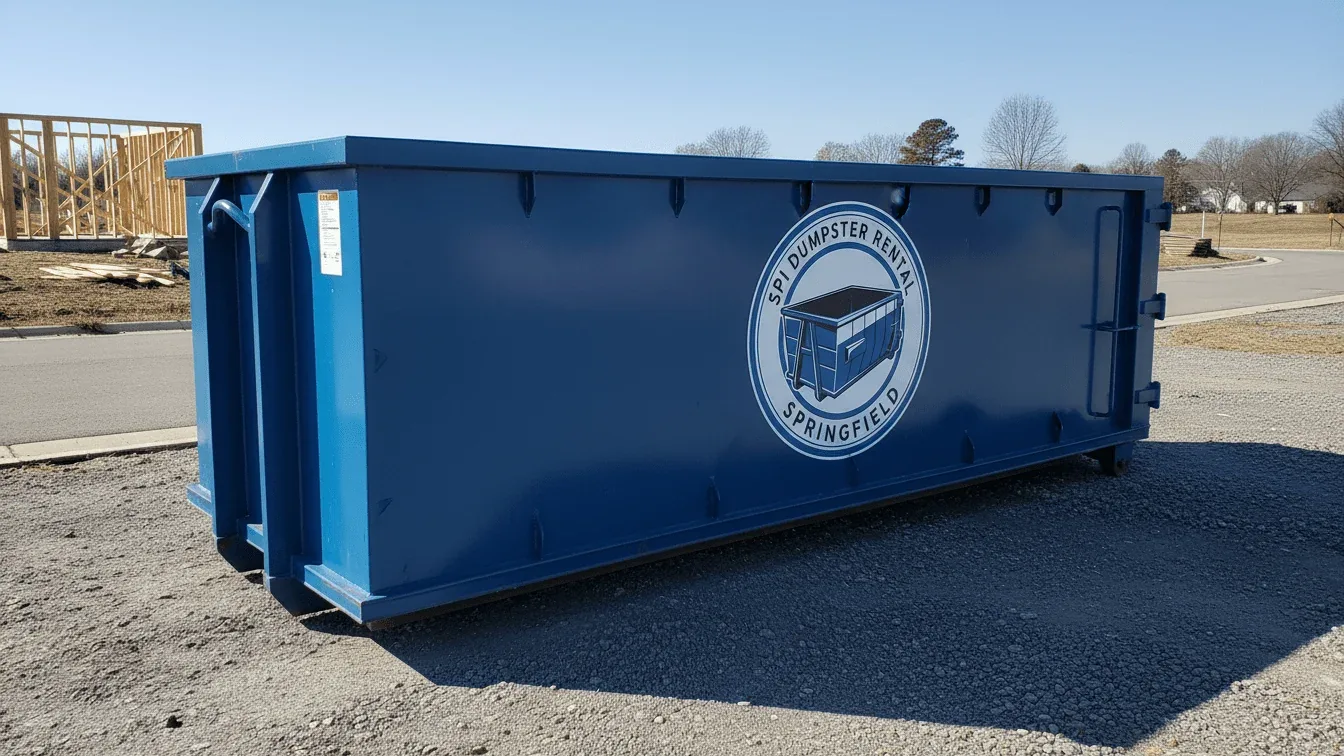
Size is the single biggest lever in any quote, because it roughly tracks disposal volume and hauling logistics. We run five sizes:
- 10 yard (about 1-2 tons included) — a single room cleanout, a small bathroom demo, or a garage purge.
- 15 yard (about 2-3 tons included) — mid-size cleanouts, a deck tear-off, a couple rooms of flooring removal.
- 20 yard (about 3-4 tons included) — the most common rental for whole-house decluttering, roofing tear-offs, and remodel debris.
- 30 yard (about 4-5 tons included) — home additions, new construction cleanup, larger roofing jobs.
- 40 yard (about 5-6 tons included) — commercial builds, major demolition, and gut renovations.
Sizing up "just in case" costs more than it needs to, and sizing down means a second trip and a second delivery charge. If you're not sure which bin fits your pile, compare all five sizes or just describe the job on the phone — nine times out of ten we can size it correctly from a two-minute conversation.
2. How long you need the container
Every flat quote includes a rental period as part of the number — enough time to fill the container without rushing. A weekend cleanout and a six-week kitchen remodel are different jobs with different logistics, and that gets reflected in the quote. If your project timeline slips — contractor delays, weather, or you simply need a few more days — say so when you call or text us; extending is usually simple, and it's a lot cheaper to ask upfront than to guess short and pay for a second haul.
3. Weight and material type matter more than volume
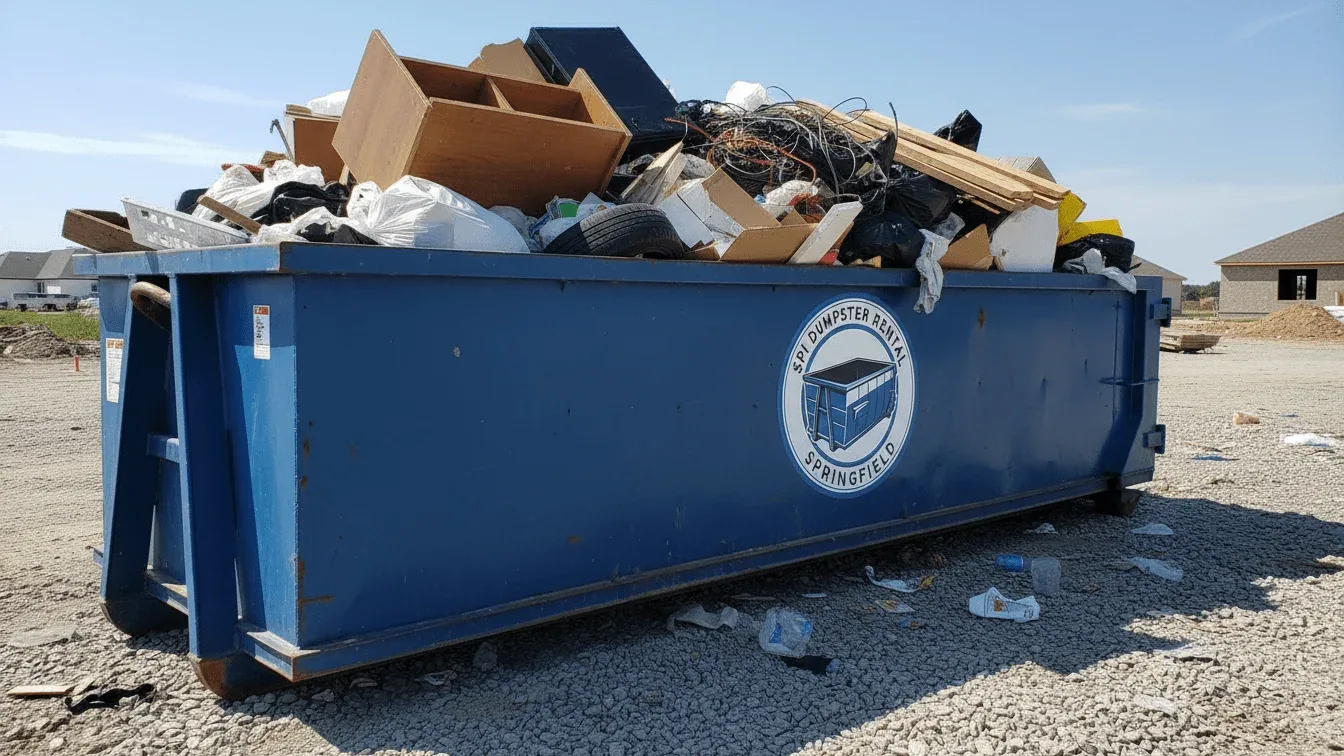
This is the factor that catches people off guard. Two 20 yard containers that look equally full can weigh completely different amounts. A container packed with couch cushions, cardboard, and bagged household junk might weigh a fraction of what the same container weighs when it's full of shingles, concrete, or wet drywall.
Every size comes with a stated tonnage allowance built into the flat price. Go over that allowance and there's an overage charge based on actual weight at the scale — that's standard across the industry and it's the one part of a "flat" quote that genuinely depends on what goes in the box. The fix is simple: tell us what you're throwing away when you call. Roofing tear-off, old concrete, or a garage full of scrap metal is a different weight class than furniture and yard clippings, even in the same size container, and we'll size and quote accordingly. If you're specifically dealing with concrete, dirt, brick, or asphalt, ask about our concrete and heavy debris option — those materials are dense enough that a smaller container often makes more financial sense than a bigger one.
A few items also aren't allowed in a standard roll-off at all — tires, batteries, paint, solvents, refrigerants, and other hazardous materials typically carry a separate removal fee or need to be handled through a different disposal path entirely. Ask before you load anything you're not sure about; it's a five-second question that avoids a fee later.
4. Where you're located across the service area
We run our trucks out of the yard on Taylor St here in Springfield, and delivery distance is a real cost factor. A drop-off in Springfield proper, Southern View, Jerome, Leland Grove, or Grandview is close to home base. Jobs in Chatham, Rochester, Sherman, Riverton, or Williamsville aren't far behind. Once you get out to New Berlin, Pleasant Plains, Auburn, Divernon, Mechanicsburg, or Pawnee, the extra drive time factors into the quote, though we serve all sixteen towns across Sangamon County and quote every one of them honestly on the call — no bait-and-switch pricing that changes once the truck shows up.
If you're near the edge of the service area, mentioning your town or ZIP code when you call lets us give you an accurate number immediately rather than a rough estimate.
5. What's built into a flat quote (and what isn't)
A flat quote from us includes:
- Delivery to your address and pickup when you're done
- The agreed rental period
- A stated tonnage allowance for the size you book
- Disposal/tipping fees at the facility
What can add to that number after the fact:
- Overage fees if the load weighs more than the included tonnage for that size
- Prohibited-item fees for hazardous materials, tires, or other items that turn up in the load and require special handling
- Extended rental time beyond what was originally agreed, if you need the container longer than planned
None of that is hidden — we'll walk through it on the same call as the quote so there's nothing to discover later.
Project type changes the math too
The kind of job you're doing usually points to a size and a likely weight class before we even talk numbers. A residential cleanout or estate cleanout tends to run lighter and larger in volume — furniture, boxes, household goods. A roofing job or demolition project runs the opposite way: smaller volume, much heavier per yard. Construction dumpster rental and commercial dumpster rental jobs often need a 30 or 40 yard and a longer rental window to match a multi-week schedule. If you just need something gone fast, same-day dumpster rental and junk removal are both options worth asking about depending on the volume.
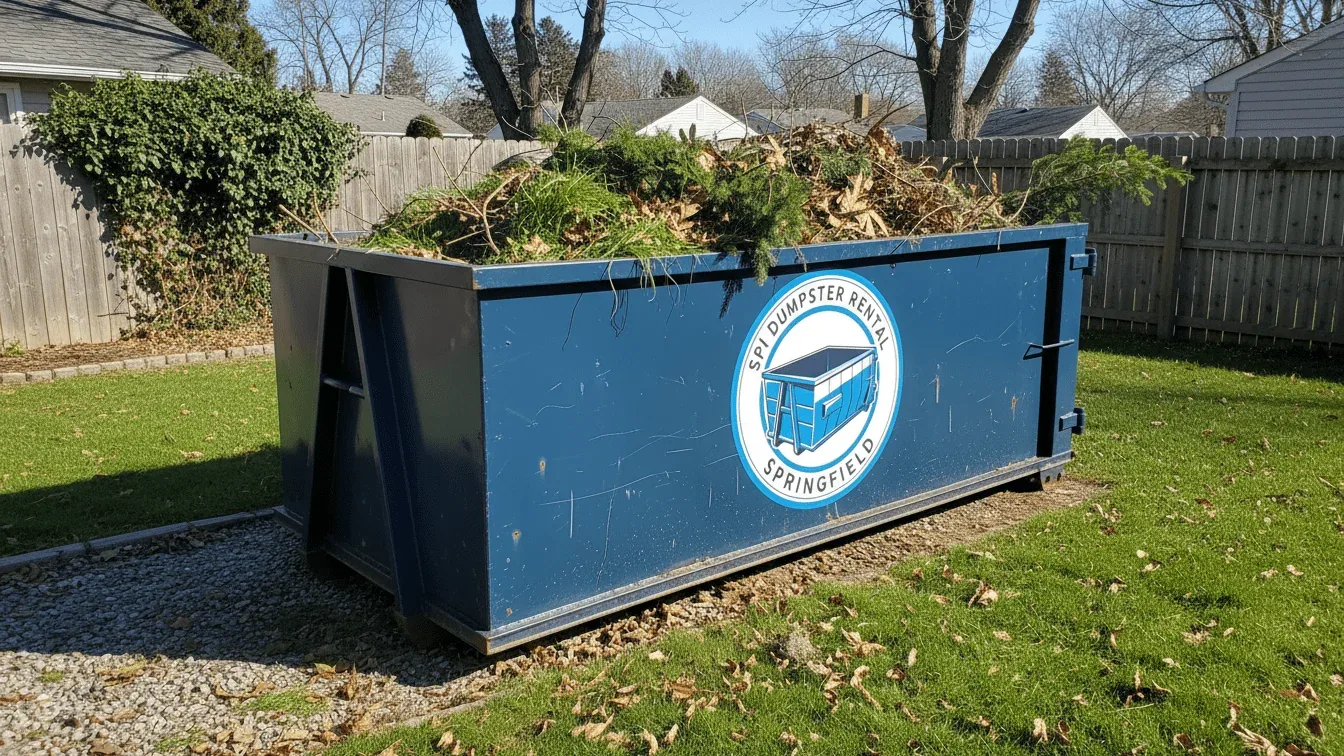
Spring and summer bring their own wrinkle: central Illinois storm season means severe thunderstorms and occasional tornado activity can generate sudden demand for storm debris removal — downed trees, damaged roofing, water-logged belongings. If you're clearing storm damage or seasonal yard waste, mention it when you call; it helps us size the container and flag the yard waste correctly, since it's typically lighter than construction debris but bulkier.
Permits: usually a non-issue, but check first
If the container sits entirely on your driveway or other private property, you almost never need a permit. If there's no room and it has to go on the street or the public right-of-way, that's a different story — check with the City of Springfield Public Works Department if you're in city limits, or your local village or city hall if you're in one of the other Sangamon County towns we serve. It's a quick call and it's worth making before delivery day, not after.
One more Illinois-specific note: if your project involves any digging — setting posts, running utility lines, grading around the drop spot — call 811/JULIE to have underground lines marked first. It's free and it's the law before you break ground.
Get an actual number
The most accurate way to find out what your dumpster rental will cost is still the most direct one: call and describe the job. Tell us the project (cleanout, roofing, remodel, demo), roughly what's coming out, and your town, and we'll size the container and give you a flat number on the same call — delivery, disposal, and pickup included. Call (217) 993-8727 and we'll get you a straight answer, not a guess from a database.